



This article is excerpted from How to Start a Private Investigation Business: A Proven Blueprint for Success, by Edward Panico, with permission of the author.
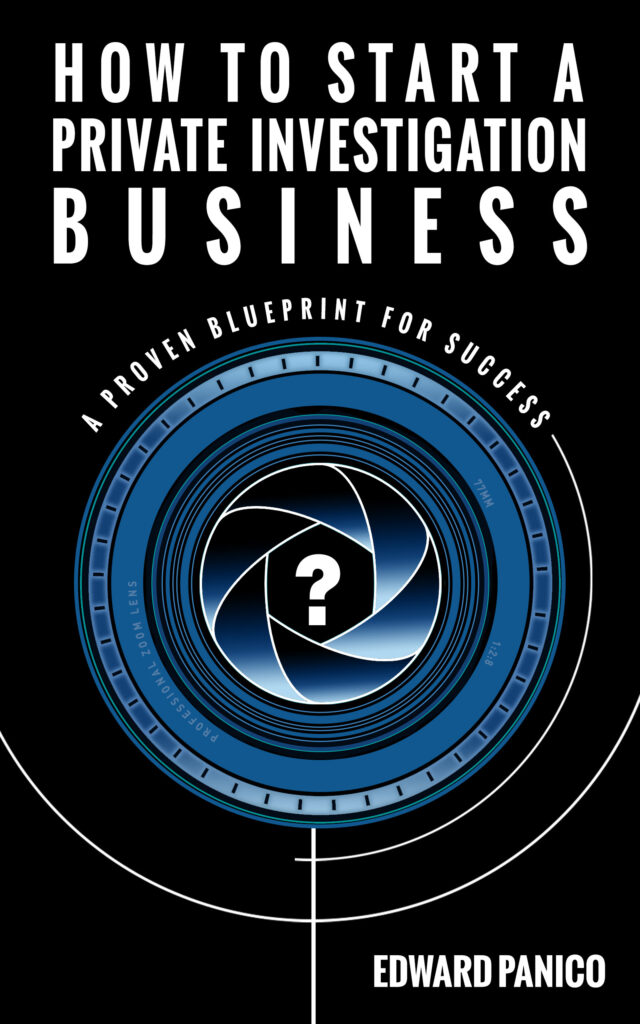
How to Start a Private Investigation Business: A Proven Blueprint for Success
By Edward Panico. Lynx Security Solutions LLC. 222 pages. $19.95 (varies by seller).
Available here in hardcover, paperback, and on Kindle.
You’ve gotten the initial call from a potential client. Now it’s time to understand what they want, see if you can provide it, lock them into a services agreement, and get a retainer deposit.
First things first: Let’s discuss some types of clients, A to Z, that you’ll come across in this field — and the pros and cons of each.
The Adventurer
They’ve seen the movies, read the books, and watched the television shows. They want to hire you, and they want to ride shotgun on surveillance. They want to make arrests and conduct their own investigation.
Obviously, this won’t fly. Client involvement can jeopardize an investigation. The reason they are hiring you is to get a disinterested, independent, third party involved. Reinforce that with them. Tell them you will do the heavy lifting. Be wary of sharing specific information during the investigation — such as the hotel where the husband is staying. Because the next thing you know, they’ll be at the hotel, ready for action.
Setting expectations during the initial interview and ensuring you have a clause in your services agreement that deals with interference in your investigation will help you deal with this client.
The Affluent
For these clients, money is no object. They’re used to getting their way and will throw their weight around. Of course, it’s nice to have a client with the means to fund an investigation, but this is a double-edged sword. They will want your personal cell phone number and unencumbered access to you, and they may threaten to sue or actually sue you if they don’t like how things are going. (And they might conveniently forget the results clause in your services agreement).
Treat them with the same respect you would any client, but also ensure they realize you are equals and you get the final say on your scope of work. Set expectations from the beginning: Make sure they understand you can only guarantee the quality of your work and not a specific result.
The Amniesiac
Once you have this client landed and interviewed, they will suddenly contact you with pertinent information they should have provided in the first place. Your field investigators are out on surveillance, when suddenly the client calls to say she forgot to mention he is out of town this week. You are about to do a service of process when the client calls and nonchalantly mentions that the servee won’t be home all day because she is at the beach house.
With any client, some unpredictability is inevitable. All you can do is conduct a thorough pattern of life interview during the client intake and hope you get the information you need.
Note: This client is not to be confused with someone who suddenly learns of pertinent information and wants to inform you to aid the investigation. Valuable information is always welcome. Definitely keep a two-way communications channel open with any client, to encourage valuable information to come your way.
The Cheapskate
This client is only concerned about one vector relating to the service, and that is price. They do not care about the value you can provide them or how much better you are than the competition. Lynx once had a potential client call, and the first sentence out of his mouth in a thick New York accent was, “How much do you charge?”
How can you answer someone like this? You don’t even know what the problem is you are supposed to solve! This client will go through their invoice with you ad nauseam and question every charge. Reinforce the value of your service and either take them on or not.
The Difficult Personality
When dealing with potentially difficult clients, all you can do is reinforce the value of your services and try to have patience. When this type of client has money, they are even worse to deal with.
Remember, you are under no obligation to take on a client. Ask yourself, is the money worth it to deal with this person? You can save yourself some headaches by just saying no.
The Disbeliever
This type won’t believe the results even when you confirm what they wanted you to confirm, or you categorically disprove it. You can get credible footage of public displays of affection with the paramour, turn it over, and the client will tell you, “That’s not him.”
On the inverse, you can work the case exhaustively and find zero evidence of cheating (or even evidence against an affair), and the client will say you are not trying hard enough. One of our partners was hired to find damning information on a therapist so she could be sued. (The client was fishing because she’d had a bad experience with the therapist.) Our partners found that the therapist was exceptional, was well liked in the community, and had stellar online reviews. When all the information was packaged for the client, she told the investigator, “I am not paying you to help her side, I am paying you to help me. You’re not looking hard enough.”
This is why you must have a results clause in your services agreement. You never know what’s actually going to satisfy a client.
The Evader
This client seems to exist in the insurance world more often than not. They’ll give you vague information, ask you to do the case, pay, and then you will never hear from them again, despite follow-ups.
Lynx once did a telephonic consultation with a potential client. I thought everything was good to go once I e-mailed him the services agreement. However, upon follow-up, I could not reach him. He disappeared like a ghost, never to be heard from again. It was incredibly frustrating.
All you can do is work with the information they gave you and document everything.
The Know-It-All
This client exists primarily in the insurance realm. You will meet insurance adjusters who have been around the private investigation business for awhile but aren’t actually trained investigators. But they are certain they know more than you and will try to direct the investigation by dictating the times and dates they want a claimant surveilled.
Sometimes they have legitimate information which is helpful, but they often don’t and can hinder the investigation. They waste time and money instead of just letting you handle the case from the start. Basically, in the nicest way possible, you need to inform these adjusters that you are the investigator, and they are the adjuster. You welcome any information that can help get the evidence you need, but you don’t welcome them telling you how to run your investigation.
The Miracle Seeker
This is another client that primarily emanates from insurance companies. They give you little to no information and will expect you to produce miracles from it. For example, they will hire you to follow a claimant, give you a vague or no description, and then inform you the claimant lives in a 300-person apartment complex and has no car. When you request additional support, they say it’s not in the budget and that you must figure it out. You can only reiterate expectation management to this type of client and hope for the best.
The Paranoiac
This personality type is a danger to themselves and you. Our profession seems to draw them out of the woodwork.
They will make outrageous claims and demand that you look into them. One potential client came to Lynx and complained that his neighbor was gaslighting him. He said every time he left the house, this neighbor would break in and do things like rearrange the dishes, leave the TV on, and turn lights on and off, among other things, so the man would go crazy and move out. He also claimed to have found a covert camera in his home.
I suggested some simple things we could do, such as residential security consulting, TSCM, covert surveillance, or even posting a security guard outside his door. He shot down every idea. My take is that he never actually wanted service.
Another client once told me she was being followed by thirty people from the company she was suing. If she can pick out a trained intelligence team like that, I thought, the feds need to recruit her immediately.
We set her up with executive protection to check the hypothesis. We found nothing, but she was convinced they were still out there. Her husband was more rational about the whole thing, but he could not convince her either. He had hoped that we could. In the end, he got her counseling.
When an intake interview starts moving into X Files territory, simply tell the person you can’t help them and move on.
The Sophisticate
These clients know what they want, are educated about the market, and need more time to make a decision. Lynx once had a client who asked a litany of questions during an initial telephone consultation. When we finished speaking, she said, “I will call you back in 48 hours with my decision.” And she did.
On the call back, she said she spoke with four other companies in the area and she liked our plan the best and appreciated how thorough we were.
Never forget you are also being interviewed. When you realize you are dealing with one of these clients, it’s best to give them the room they are asking for and let them come to their own conclusion.
The Time Waster
Some people just want to hear themselves talk or use you as a therapist. They make appointments with you and show up late or not at all. This sucks up valuable time you could be using to close an actual client.
There’s one strategy you can implement for people like this: Turn your free consultation into a paid consultation with certain contingencies. Ask them to pay a deposit before meeting you. If they don’t show up, you keep the consultation amount as a cancelation fee. If they do show up and want to proceed, the deposit they gave you is added to the initial retainer, so the consultation costs them nothing. If they show up and do not want to proceed, they get their deposit back. Those are just some ideas to play around with.
The Troublemaker
Some clients will come to you with a nefarious intent in mind, such as a break-in, an assault, or even worse. You have an ethical, moral, and legal obligation not to assist these people, and in certain situations, to report them.
A man called Lynx to ask for help circumventing the government background investigation process. Naturally, we alerted the government organization of his behavior.
This type of trouble-seeking client is why you need a missing persons clause in your service agreement. You do not want to help an assailant, domestic abuser, or stalker find their victim. You don’t want to expose someone with a restraining order to the person they are hiding from. Always ensure you thoroughly vet your client. Decline a case if you suspect ill intent. And if you receive information during the investigation that raises red flags about a client’s motives, terminate the investigation based on your termination clause.
The Unreasonable / Unethical
Lynx often gets calls from potential clients about things we can’t or won’t do, such as hacking a spouse’s computer or tapping a person’s phone to spy on them. Obviously, these are things you can’t legally do (save for rare special exceptions).
Lynx once had a telephone consultation with a woman who started speaking, then suddenly broke down crying. I asked her if everything was OK, and she burst out, “Please don’t arrest him!”
For what? I wondered. She added that he was a good man at heart and she did not want us to beat him up too bad.
Of course, we as private investigators don’t get paid to beat people up. With potential clients like this, you again must set expectations and explain to them the differences between Hollywood and reality. And often, you must decline the assignment.
Conclusions:
As a private investigator, you will eventually see it all. In this business, it’s impossible to avoid human drama altogether — in a sense, it’s our stock-in-trade. The key is to avoid the kinds of clients who give you more trouble than the fee is worth.
As I’ve mentioned, a thorough services agreement can help protect you if a client turns out to be trouble. And a careful intake interview, complete with a clear discussion about expectations, will often tell you what you need to know about a potential client. If you haven’t had the luxury to take in-depth professional investigative interview training, I recommend you seek some out. It will help you not only with interviewing witnesses and subjects, but with getting the most information out of the client — to make your life easier when drafting an investigative plan.
Excerpted from HOW TO START A PRIVATE INVESTIGATION BUSINESS
Copyright © 2021 by Edward Panico
All rights reserved.
Published in the United States by Lynx Security Solutions LLC.
About the author:
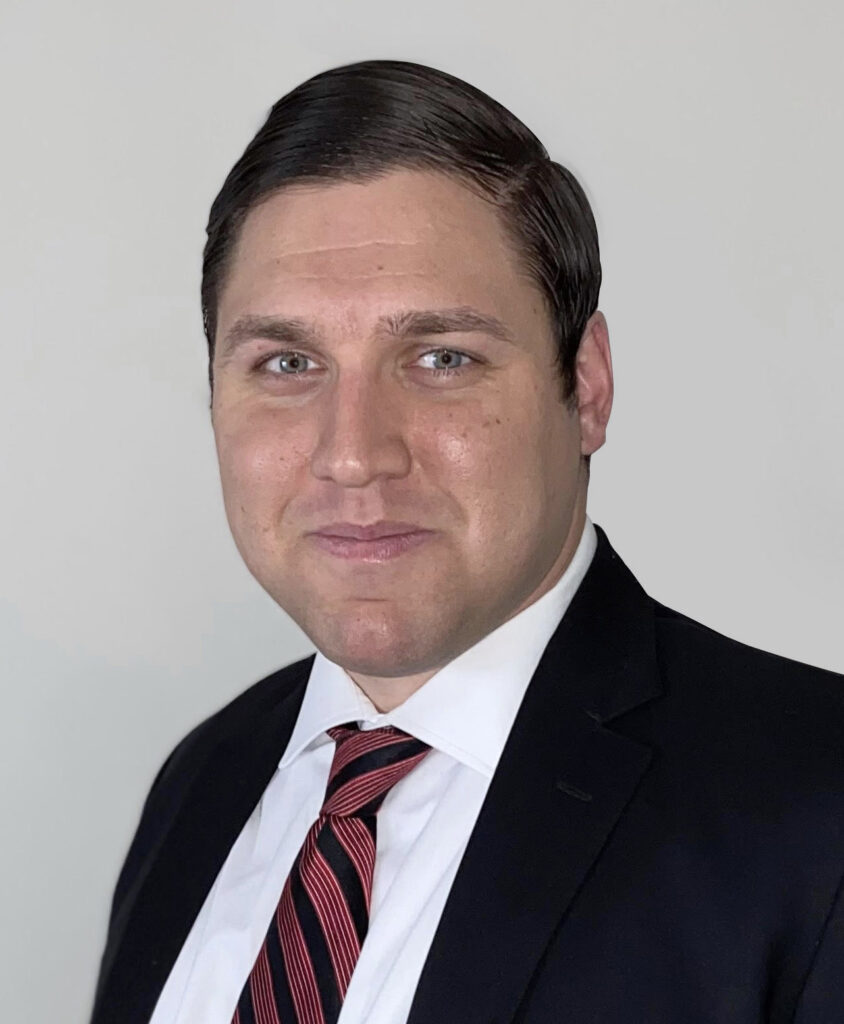
For over 16 years, Edward Panico has worked both domestically and abroad in intelligence, investigations, and security matters with the U.S. Military and with the U.S. Department of State. He is the founder of Lynx Security Group, a private investigation, security consulting, and training company. He has also assisted private investigator entrepreneurs with opening and expanding their investigation companies, and is the author of How to Start a Private Investigation Business: A Proven Blueprint for Success.