


When a Boston man lost $12,000 to a fake Filipino family, our on-ground investigation revealed why, even with evidence, he couldn’t break the scammer’s spell.
The call came from a concerned retiree in Boston. The client was an older gentleman with special needs, and he had been sending money to a Filipino family for months for support. Now they were claiming their daughter had been sold into slavery. Could we verify if any of this was real?
He wasn’t interested in romance—he genuinely believed he was helping a poor family. That made him an even easier target.
The Setup
Our client had met the “family” on Facebook. They claimed to be a mother, father, and 16-year-old daughter from Siquijor Island, one of the Philippines’ most remote provinces. Their story was textbook: a shack with a tin roof, no electricity, a daughter who could barely afford school.
Over several months, my client sent money for basic necessities. Small amounts at first — $200 here, $300 there, all using crypto.
The Crisis

Then came the emergency. The parents contacted our client in distress: their daughter had run away. Days later, the daughter messaged the client. She claimed she was homeless, sleeping on the streets, and terrified to return home. She needed money for food and a safe place to stay.
Here come the red flags. If a 16-year-old goes missing in the Philippines, families report it to barangay officials and police. What they don’t do is have the child directly message an American stranger for money while claiming to be homeless, yet having money or a phone to access the internet.
After sending several thousand dollars more, our client finally became suspicious and reached out to us.
The Final Play
Before we could travel to Siquijor, the scammers made their final move: the daughter claimed she’d been kidnapped and sold for a forced marriage (which is illegal in the Philippines). She needed immediate payment to secure her release.
Forced marriage appears frequently in Philippine scam operations. It exploits Western fears about human trafficking while adding urgency.
Boots on the Ground
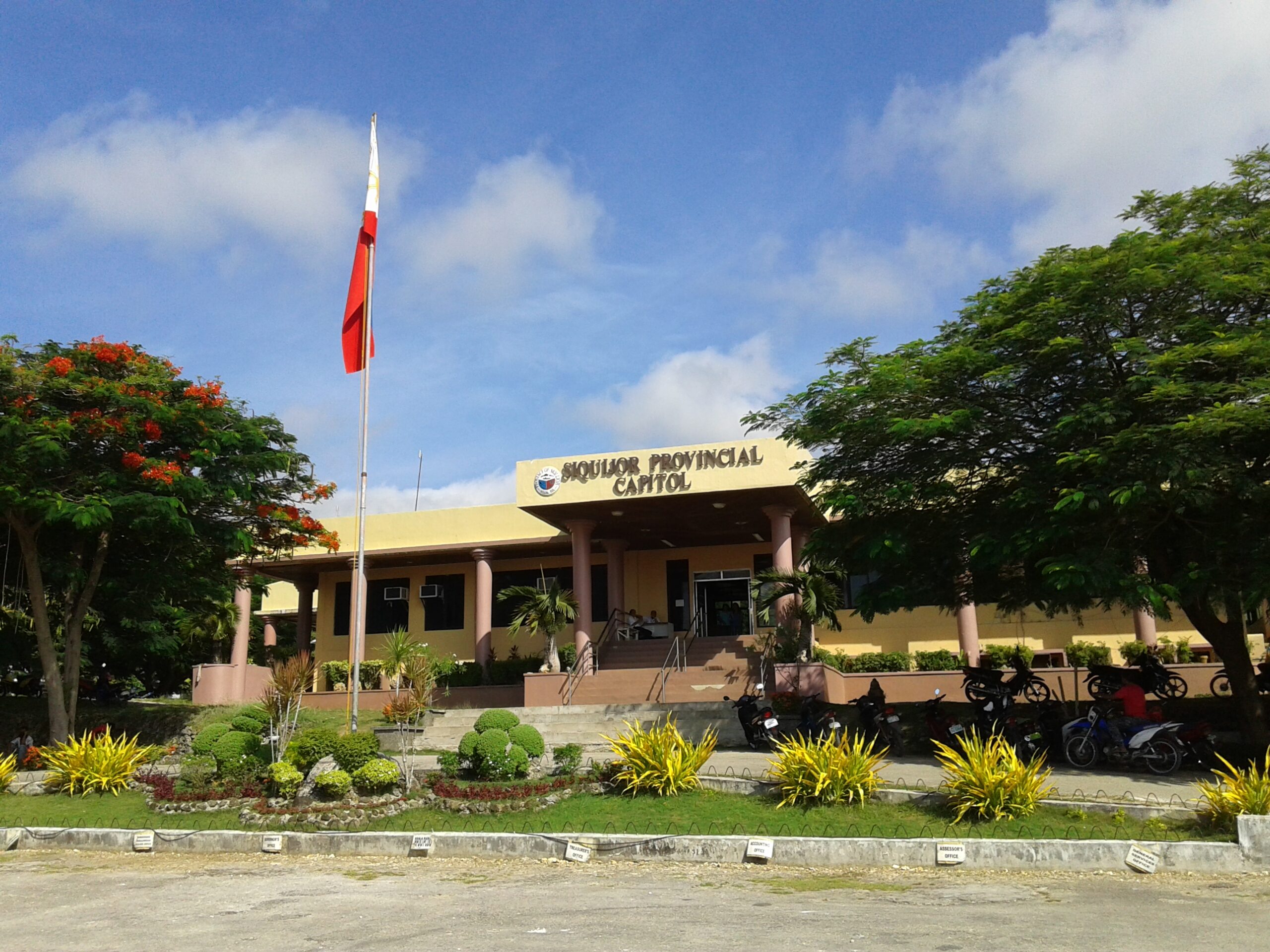
We traveled to Siquijor with photos and a list of names of everyone involved in this case. The island has only about 90,000 residents, which should have made finding this family simple — if they existed.
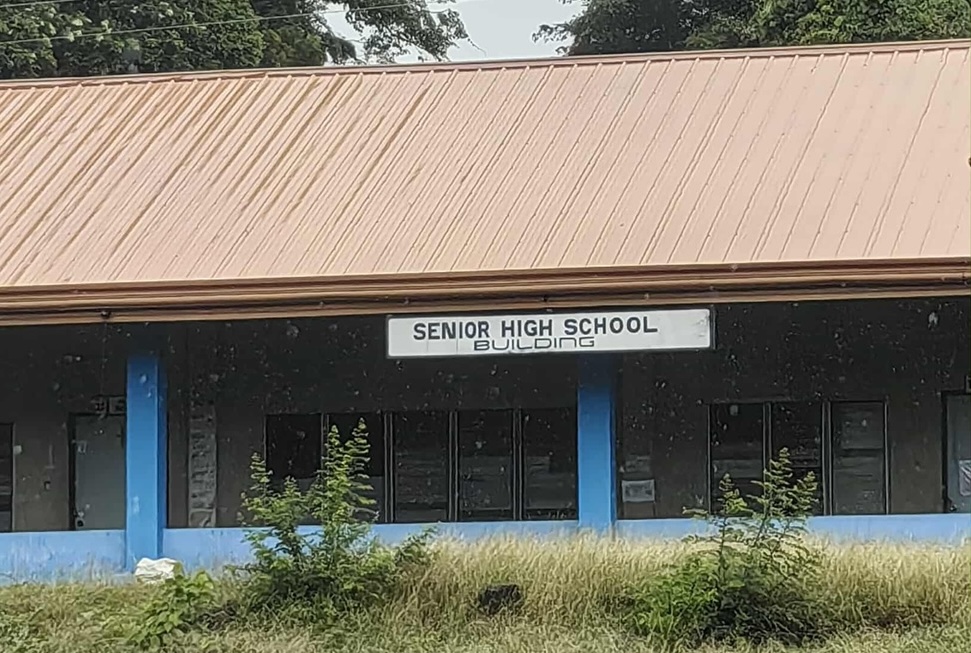
We visited local schools and showed photos of the 16-year-old to administrators and teachers. No one recognized her. No student by that name had ever enrolled in any school on the island.
Next, we visited the barangay hall. Barangay officials keep detailed records of all residents in their district. We showed them the photos and names. They had no records of the family.
The local police had no missing person reports filed. No reports of a runaway teenager.
Our final verification was the most damning: the Philippine Statistics Authority (PSA) maintains birth records etc, for all Filipino citizens. We submitted requests for birth certificates for all three family members. PSA came back with no records. According to the Philippine government, these people do not exist as claimed.
When Evidence Isn’t Enough
We presented everything to our client: no school enrollment, barangay officials who’d never heard of the family, no police reports, and no birth records. They simply didn’t exist.
Any reasonable person would’ve accepted it. Not our client.
Despite our findings, the scammers convinced him that the evidence we found was wrong. They said they were in the process of moving to the island, which is why no one knows them there. And they claimed to be so poor they’d never been officially registered.
The daughter sent increasingly desperate messages about her captivity and beatings. Despite everything, our client is ready to send more money to secure her release.
The Sting
We proposed a different idea to the client: Let’s set up a meeting, and we will give the family the money in person. We would take photos of who showed up, ready to follow them, and ensure everything went well
We coordinated the location and time. We positioned ourselves to observe. And we waited.
No one came.
The scammers sent excuse after excuse: the girl was moved, too much traffic, it wasn’t safe, etc. When we reported back to the client, he was finally convinced he had been scammed for $12,000.
Lessons for Investigators
This case revealed several things about modern scam operations:
Scammers now build elaborate, multi-month operations.
Sophisticated rings invest time in building trust, creating detailed backstories, and providing “evidence” of legitimacy. These days, they can even use AI to help them craft stories — and images to back them up.
Emotional manipulation can trump evidence.
Even when shown evidence that the family did not exist, the client just kept on believing them. Investigators aren’t just fighting deception. We’re fighting attachment — to a story clients might (for various reasons) be motivated to believe, and to a desire to be a hero to some faraway person in need.
Scammers prey on our best insincts.
Most scams focus on romance. But “charity good Samaritan scams targeting people who want to help others are just as common and just as profitable for the scammers.
The Cost of Waiting
My client lost $12,000 before verifying anything. Our investigation — travel to Siquijor, on-ground verification, documentation, and the sting operation — would have cost about $1,500 if he’d contacted us first.
The financial loss hurt, but the emotional damage was worse. Our client believed he was saving a child’s life. Instead, he had to confront a terrible reality: that the deep connection he’d felt to this family was a sham, and that he’d been played. That cut deeply into his sense of himself.
For investigators taking on international scam cases like this: your job isn’t just to uncover the truth. It’s to help clients believe the truth. My only advice is to be gentle and remember that something like this can happen to any of us, no matter how savvy we think we are.
Leah Price is a senior investigation analyst specializing in international background checks and romance scam prevention. She works at Teser Investigation Group (international cases) and Philippines Investigation (Philippines-specific cases), helping clients verify online relationships, conduct due diligence, and prevent fraud.