



Tradecraft Tips: A private investigator shares her process for locating biological families and reflects on the diplomacy such cases demand.
Before you start the investigation, gather basic intel about your client’s situation. Discuss their goals, but be honest about what is possible. “I try to help them adopt some realistic expectations,” says Rachele’ Davis, a private investigator whose speciality is reuniting birth families. All too often, she sees clients who “have this idea in their head that once I locate my biological family, they’re going to welcome me with open arms … And that’s not always the case,” Davis warns. “You’re essentially dredging up all of these past emotions and feelings.”
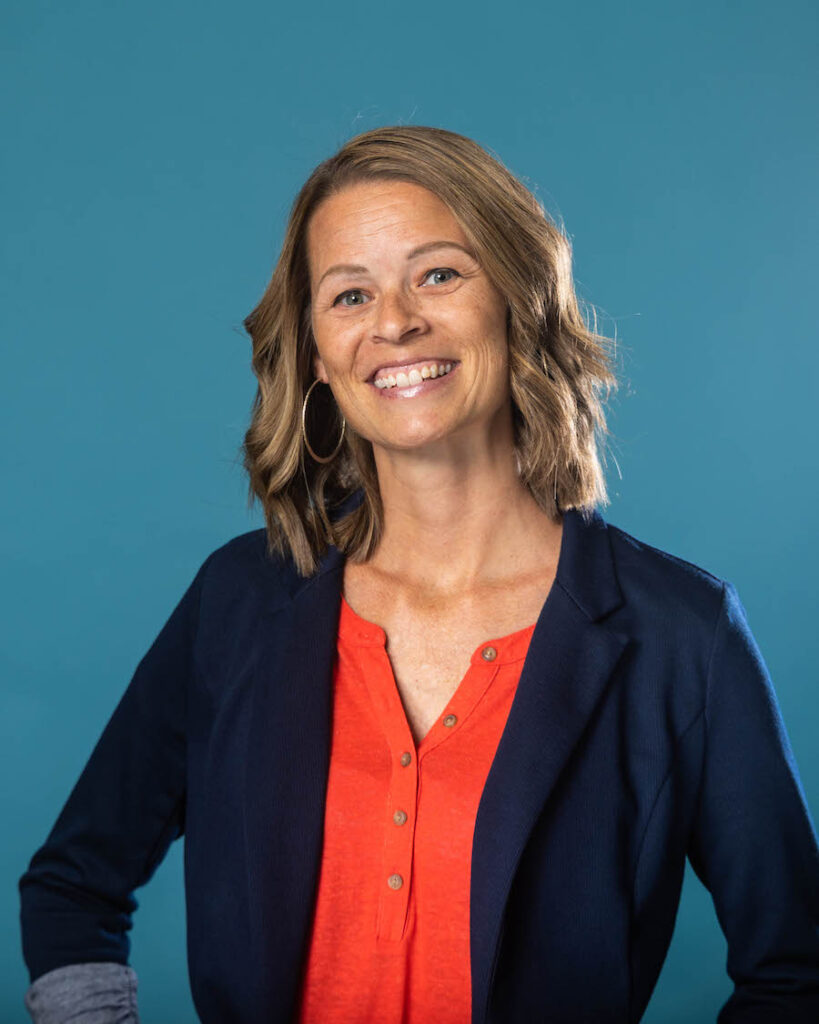
Prepare your client for all possible outcomes. Are they ready for the possibility that their birth relative may reject them or refuse contact? Or may be dead or incarcerated? The process of reuniting birth families is inherently an emotional one. PIs need to empathize with clients throughout the process, from the initial conversation to managing expectations and potentially delivering bad news. “That’s a very different side that a lot of PIs don’t have to deal with, the emotional state of their client,” Davis explains. “I become their friend, or I become kind of their confidante … it’s like I’m their therapist sometimes.”
Next, do a more exhaustive interview. In this phase, Davis spends time with clients “inundating them with questions and getting them to tell me every last minute, smallest detail of what they know — if they know anything — about their adoption and about their birth.”
Some people have a lot of information about their birth. Others know next to nothing. The amount of initial information a client shares will inform the next stages of the search. Does the client know where they were born? The next step might be filing paperwork to get access to their birth certificate or other identifying documents. Does the client have no information? Their next step might be for them to take a DNA test.
Finding biological families is a research-heavy process. A lot of the work takes place on the phone or computer. Consider a wide variety of information sources. For example, Davis might spend a day going through old yearbooks, looking up obituaries, hunting through social media accounts, and getting on a Zoom call with a client to ask more questions. She might spend an entire day on one client’s case; other days, she touches base with a number of clients whose cases are in progress. Expect long delays. For instance, a client “might not get their DNA results back for four or five weeks,” says Davis. “So there’s a lot of starting and then stopping and waiting … it’s just a lot of juggling when you have that many open cases, but I basically just prioritize them.”
Once you find the birth relative, don’t just give up their contact information to the client. Instead, reach out to the relative, explain the situation, and act as a liaison between the found relative and the client, to protect both the relative’s safety and the client’s emotions. A biological parent, sibling, or child’s first reaction after contact can be messy. They’re often shocked or even afraid to find out that someone from their past wants to reach out. And if the found relative does not grant permission for you to share their contact information with your client, you must respect their wishes.
If the found relative does not grant permission for you to share their contact information with your client, you must respect their wishes.
For clients, it can be devastating to learn that the dreamed-of reunion may never happen: I spent all that time and money to find someone who doesn’t even want to talk to me? As liaison, you’ll have negotiate these reactions rationally and professionally. “I can kind of be that buffer for them, and allow them to react in any way they’re going to react,” Davis explains. “It’s not going to hurt my feelings.”
Say “no” kindly but firmly if clients push you for information about the relative when you cannot ethically deliver it. Let them know that some found relatives can warm up over time to the idea of a relationship with your client, but sometimes they don’t. In those cases, it’s even more important to remain a neutral third party. As PI-liaison, you have a dual responsibility — both to your client and to the found relative: You owe clients a thorough investigation and total candor throughout the process. And you owe the found relative a promise to protect their privacy — and potentially, their safety.
Some cases won’t have fairy-tale endings. And even searches that end with happy reunions can be emotionally taxing journeys for all concerned. Stay rooted in a sense of purpose: Sometimes, you DO get to help clients discover lost families. And you may also uncover important information that could have otherwise remained a mystery, such as health history or other aspects of identity. “I feel very strongly that, adopted or not adopted, people should have a right to some basic information about who they are and where they come from,” says Davis. “They should be able to get their hands on health information … for themselves and for their children and their grandchildren and so on. I think people have a right to know who they are.”
About the author:
Sarah Datta is a writer from San Diego, CA.