


For executors, private investigators, and anyone who might have money out there that they’ve completely forgotten about — or never knew existed — this is a tale for you.
Once upon a time, I was asked to present at an industry conference. It was a worthy quest, but one fraught with peril — because the work I do, and the topic on which I was to present, isn’t exactly frothy and entertaining. You see, I identify assets and rightful heirs in probate and estate cases..
My job, by definition, is almost always preceded by a death.
As you can imagine, this can be kind of a downer. So when I considered how to address the conference audience, I tried to find a way to lighten the mood.
I sat down in front of the audience, dramatically opened an oversized children’s storybook, and began to spin a dark yarn about an estate case gone so catastrophically awry, it might as well have been cursed: a verbal agreement with no documentation, as legally unenforceable as a mermaid’s promised kiss, and more poorly mapped out than a trail of bread crumbs in a dark wood.
It was a silly, fun, and wildly risky move, and I was nervous as I snapped the storybook shut before a silent audience. But at the next break, folks began quietly approaching me in the women’s room to tell me about their own experiences and ask me questions. I got the sense that juxtaposing those familiar magical tales with the dismal certainties of loss and complicated inheritance had made a powerful impression. Most of us have lost loved ones and faced the added anguish of trying to untangle the things they’ve left behind — or if we haven’t yet, we eventually will.
But a lot of the things people believe about unclaimed assets are pure myth. For example, even though I mostly encounter unclaimed assets in my probate work, most unclaimed assets don’t belong to the deceased at all: most of the estimated $60 billion dollars held by U.S. states and territories are rightfully owned by living people.
So just to extend the whimsical storybook exercise a bit further, let’s take a look at some asset “fairy tales” and compare them to how things work in the real world.
Hansel’s Unclaimed Assets
The fairy tale: Hansel left behind a valid will, so his only sister Gretel should be able to claim his unclaimed assets held by the state treasury with a simple email or phone call.
Reality check: The state will require Gretel to provide both proof of Hansel’s death as well as her court authority as personal representative for Hansel’s estate. But Gretel closed Hansel’s estate two years ago, after his cottage was sold, so she’ll now need to reopen probate, obtain updated authority documents (dated within the last six months), and only then apply for Hansel’s unclaimed assets held with the state.
Cinderella’s Inheritance
The fairy tale: Cinderella thinks she can leave the assets she inherited from her father in the state’s unclaimed-property fund for many years. They’ll grow in value, and then she can withdraw them with ease, once her wicked stepmother and two stepsisters are out of the picture.
Reality check: Assets held in state coffers rarely grow in value. Unclaimed assets aren’t an investment going forward; they’re a loss going backward. If her father left these assets specifically to Cinderella (and they do not fall under marital property, thereby going to the vile stepmother), Cinderella should claim them now as the rightful beneficiary. And she’ll want to do this before she marries Prince Charming so that they don’t become community property. Cinderella will need her own nest egg, just in case the “magic” wears off down the road … and the slipper no longer fits.
The Lazy Spinner’s Long Wait
The fairy tale: The Lazy Spinner is fully aware that she has several unclaimed assets totaling four figures in her state’s unclaimed fund, yet she decides to wait until the state contacts her about them and sends her a paper claim form. Why exert any energy when she could just stay in bed and wait for the state to do the work?
Reality check: If the state ever actively searched for the rightful owners of unclaimed assets, there wouldn’t be a need for an unclaimed-asset fund in the first place. Don’t be so lazy, Spinner: get out of bed, head over to your Mac, and claim your assets now before they lose further value.
Peter Pan’s Never Never Plan
The fairy tale: Peter Pan is excited to learn that his grandfather left behind some stocks, now held by the state since the grandfather’s passing 25 years ago. He decides to wait to claim them after his last remaining aunt passes away in several years, figuring he can cut out her children, his first cousins. And he expects the stocks to increase in value over time.
Reality check: Claiming unclaimed assets from a decedent one generation above you requires additional documentation. Claiming them from two generations above you requires a boatload of documentation. And those stocks? It’s highly unlikely they’ll increase in value. In fact, the state may have already liquidated them. Oh, and by the way: intestate law requires that you share your grandfather’s assets with your siblings and cousins. Grow up and stop trying to game the system, Lost Boy.
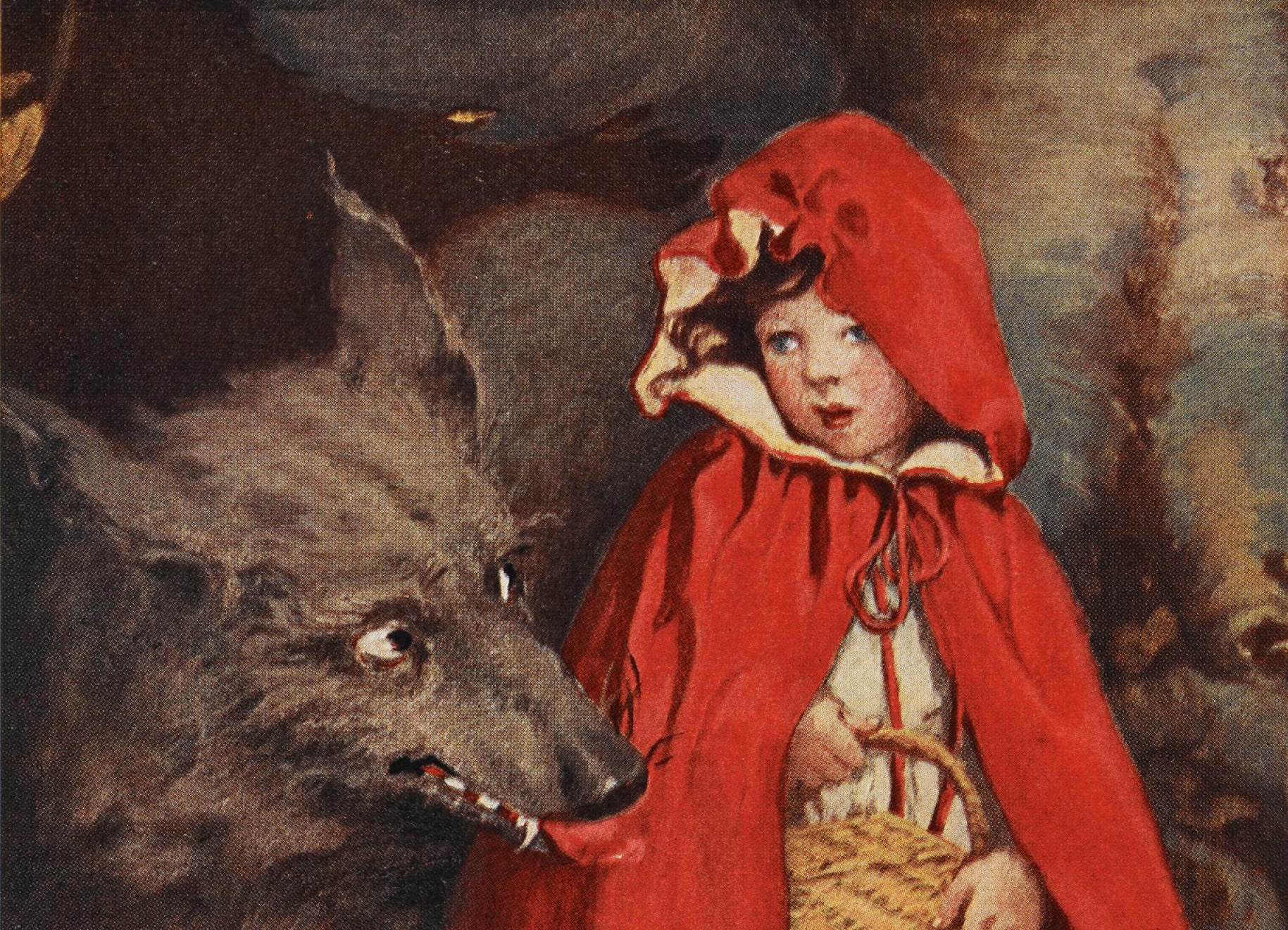
My, What Big Eyes You Have!
The fairy tale: Little Red Riding Hood receives a letter from Mr. BB Wolf, Esq., offering to claim her unclaimed assets for a small fee. Plus incidental costs. Plus time and effort. Plus an advance of $250.
Reality check: Little Red Riding Hood really needs to look into this before hiring an attorney to find and claim her lost assets. Any reputable licensed locator will never ask for an upfront fee, nor will they charge for unspecified costs. In most cases, Red can claim the assets by herself … and then help her grandmother do the same.

Wood Puppet Gets Stiffed
The fairy tale: Pinocchio receives a call from his friend Jiminy Cricket (who is always well-informed about financial matters). JC lets Pinocchio know that Geppetto left behind easily more than $2,000 in unclaimed assets held by his Italian administrative region’s treasury. Pinocchio is thrilled to hear this!
Reality check: When Pinocchio looks into it, the regional authority informs him that he will first have to produce a birth certificate or certificate of legal adoption. He is definitely out of luck on the birth certificate, since he was carved out of pine. And he’s doubtful that the impoverished woodcarver, devoted dad though he may have been, would have ever gotten around to getting the adoption paperwork filed. He may be a real boy, but he’s not necessarily a legal heir.
Happily Ever After
The good news is you don’t have to climb a beanstalk, wish on a star, or rub a magic lamp to claim your treasure that’s being held in state coffers. You just need to learn how to navigate the free unclaimed asset databases that allow you to search for lost funds — like forgotten bank accounts, insurance payouts, or rent or utility deposits.
Fortunately, there’s a course for that! I wrote it myself. Think of me as a fairy godmother of sorts. I can’t summon any supernatural forces, but I can help you transform your research skills into cold cash — it’s almost like magic.
moral: When questing for unclaimed assets, slow and steady wins the race.
Scroll down to find out more about Eileen Moynahan’s course, “Lost Assets Found!” at PI Education.
About the author:
Eileen Moynahan enjoyed a long career with the federal government as an intelligence analyst working international criminal investigations before opening Legacy Estate Organizing & Investigation, LLC in 2016. An estate administration and PI firm, Legacy Estate Organizing & Investigation partners with executors, attorneys, and real-estate investors to locate assets and identify rightful heirs.
Eileen is an admitted gourmande, a fan of international travel, and the author of “After the Funeral: A Practical Memoir for Administering Your Loved One’s Estate.” She’s also a PI Education instructor and course author of “Lost Assets Found: Finding and Claiming Your Unclaimed Assets Held in State Coffers.”