


A simple explainer by Dean and Karen Beers on investigating denied insurance benefits for death or catastrophic injury on behalf of claimants.
A version of this article first appeared on the Associates in Forensic Investigations site.
The loss of a loved one, the grief and trauma, is only for the bereaved to understand. We are passionate about helping grieving families in the way we know how — most often, by looking into their loved one’s death and providing answers.
But other times, there’s some additional inflicted pain: the denial of insurance benefits, most often life insurance or medical coverage, but also, in some cases, related to accident, double indemnity, dismemberment, or other catastrophic injury.
This area of expertise is called interpleader insurance investigations, and it requires specialized experience in investigating cause and manner of death and serious bodily injury.
How It Works
Insurance claims may be denied, disputed, or otherwise delayed. The reasons are most often specific to the terms of the policy, limits, or exclusions. An “interpleader” case, in legal terms, is a legal action that allows a party to initiate a lawsuit compelling two or more parties to litigate a dispute.
in·ter·plead·er/ˌin(t)ərˈplēdər/
noun LAW (source: Oxford Languages)
- a suit pleaded between two parties to determine a matter of claim or right to property held by a third party.
Disputed claims occur when multiple parties contest a claim, or someone is asserting that the wrong parties were paid benefits. The dispute could be between the insurance company and beneficiary, or among multiple beneficiaries having a claim. In either case, a claimant should immediately retain an attorney, who will then hire an interpleader insurance investigator.
Denied claims involve potential breaches in the policy terms — for example, for intent or negligence by the insured, an act that violates the law (i.e., the policy does not cover someone for acts during the commission of a crime), determining the claimant is not a legal beneficiary, and other reasons.
Let’s get into a little more detail about each of these scenarios.
Multiple Beneficiaries
These claims usually aren’t disputed by the insurance company; the task at hand is identifying who’s entitled to the benefits. When this happens, the insurance company may first have an adjuster investigate the claim, and may then seek court remedy if the dispute isn’t resolved. Funds are placed in trust and/or with a court of jurisdiction, who then decides who is legally entitled to the claim.
The reasons for multiple claims and beneficiaries may involve inheritance — for example, when there’s no will or other legal directive, and there are multiple children, children of adoption or marriage, and children not formally adopted (i.e. long-term foster care). A will may also be contested for any of these reasons. The time of death, as well as circumstances of death, may also be at issue.
Accidental Death or Serious Bodily Injury (SBI) vs. Non-Accidental
These claims are usually denied, disputed, or delayed if there’s reason to believe that a policy exclusion applies. Common examples include suicide, actions of the insured, or a double indemnity clause. These are often Accident vs. Non-Accident considerations — more on each below.
Suicide
Policies often stipulate exclusions if the decedent commits suicide, or the injury is a result of a suicide attempt, and the claim is for life insurance, accidental death and dismemberment, worker’s compensation, or similar claims. A policy may have exclusions for a limited time (say, two years) or the duration of the policy.
If the insured commits suicide, or is seriously injured or dismembered due to an act of a suicide attempt, the claim may be denied, delayed, or disputed.
Actions of the Insured
Investigating the actions of the insured — whether they were deliberate, premeditated, a consequence of negligence, or none of these — will determine if benefits are paid. This process begins with the insurance adjuster, and if contested by the claimant, may be appealed within the insurance company or private intermediary, and then to a court of jurisdiction. This process is defined by the policy and statute.
A few examples in this category:
- A motor vehicle accident in which claimant was non-compliant with medications
- Non-compliance with mental health treatment or stipulations
- Negligence in a hunting incident
- Failure to comply with workplace safety policies
Double Indemnity
Double indemnity is coverage which doubles the benefit under certain conditions. In some cases, the claim itself isn’t denied, but the additional benefit is denied.
A common policy clause you’ll see is Accident – if the event causing the death or serious bodily injury was accidental and determined to be no fault of the insured. The claimant has the burden of proof and will need to present clear evidence that the injured or decedent was not negligent or at fault in the accident.
Summary
Denied and disputed claims have specific legal processes and recourses. For interpleader insurance investigations, in all cases it is necessary to determine the circumstances of the incident, address any issues of intent or negligence vs. accident, and figure out who the entitled beneficiaries are.
The specifics of the case, and available remedy to the interpleader attorney, will direct the process. The process begins the same way all equivocal or questioned death or SBI events do: by reviewing the official records, reports, and photographs from the law enforcement and medical examiner agencies. The interpleader insurance investigator’s findings will then assist with the claims appeal, addressing any reasons for denial or dispute (or perhaps, delay), and may also address whether any additional independent investigation is needed.
Retaining an experienced interpleader insurance investigator can make a substantial difference in an injured claimant’s (or death benefit claimant’s) financial future. Some equivocal death and insurance claims cases can stretch on for years, as our agency knows well — one such case took 10 years for all claims to be heard and decided (in favor of the widow). We’ve seen others resolved almost immediately after reviewing our findings.
For claimants, knowledge is power — understanding how claims work is vital. And for investigators looking for a specialty that can make a big difference in grieving people’s lives, interpleader insurance investigations may just be for you.
See the following case studies:
Survivor Benefits Win
Life Insurance Win
You can also learn how to conduct Equivocal Death & Serious Bodily Injury Investigations! Click below to view course details.
About the authors:
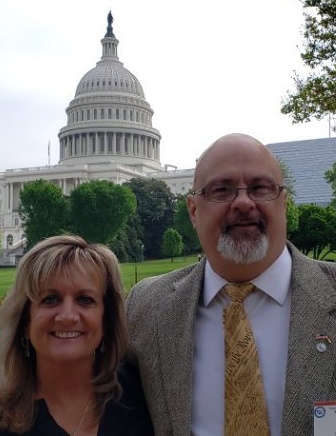
Dean and Karen Beers are the owners of Associates in Forensic Investigations. Dean founded their agency in 1987. From their experience as deputy coroners / investigators and autopsy assistants, they have specialized in death and serious bodily injury legal investigations and medicolegal expert consultations since 2008.
Dean is a Certified Legal Investigator (CLI), and they are both certified Medicolegal Death Investigators specializing in all personal injury, negligence and death investigations for civil and criminal litigation. Dean has testified as an expert and they consult nationwide in criminal defense homicide and civil equivocal death investigations. Karen’s training in victim advocacy and counseling are valuable assets in working with families and victims of traumatic events.