


Tradecraft Tips: A psychologist and crime novelist shares tips for using your expertise to build suspenseful plots and believable characters.
Carve out LOTS of time to write — every day, if possible. “Time is one of the biggest challenges for sure,” says R.J. Jacobs, a practicing psychologist and the author of three crime novels. “I try to write about 700 words a day.”
Writing between the cracks of a busy life and a full-time job takes serious stamina. You may have to put in early mornings and late nights, or work at odd times. “I remember, there was a time where my daughter was cheerleading,” he recalls. “I was sitting in the hallway outside the basketball game … like making little notes on my iPhone. That was the only time I was going to have.”
Start with a dramatic idea. Thrillers are characterized by twisty plots and edge-of-your-seat tension. Workshop your ideas to include enough intrigue to occupy a whole book. Jacobs likes to work backwards: “I think about one scenario that seems like an impossible scenario,” he explains. “The rest of the story is kind of reverse-engineering how that image could kind of come to be.” How did the picture-perfect family end up with a murdered father and a doting mother on the run? How did the suspect with a watertight alibi leave DNA evidence at the crime scene? Don’t make the plots too outlandish to be unbelievable, but keep your readers guessing.
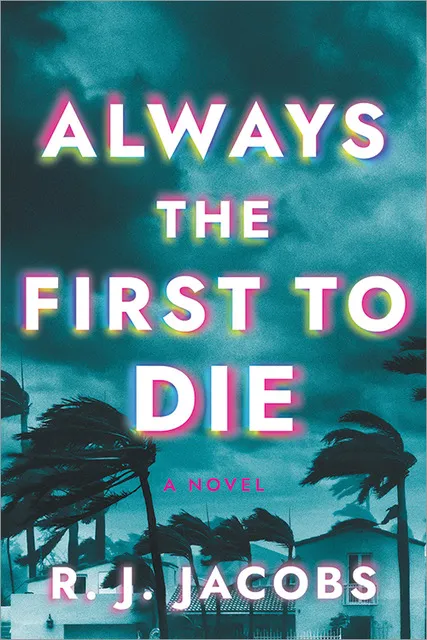
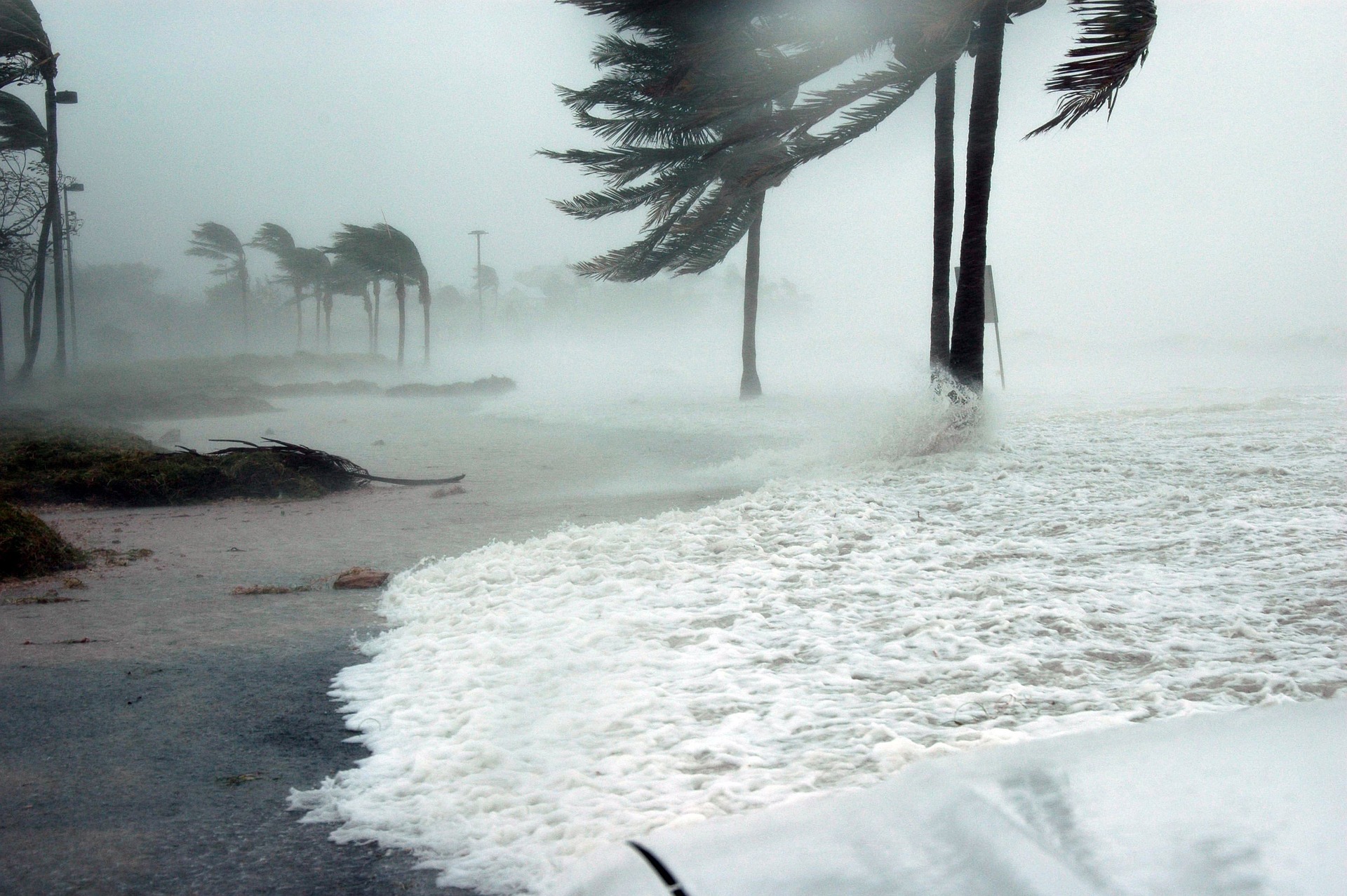
Use the setting of your story to your advantage. Much of the action in Jacob’s most recent book, Always the First to Die, takes place in the Florida Keys. “When you set a story around water,” he says, “you start to think about elements that could be particularly dangerous or particularly interesting to work into a thriller or mystery.” Drownings, freak tides, hurricanes, and malfunctioning boat equipment all become possible plot points if your story is set on an island. Be purposeful. The setting should be an intentional choice that sets up later conflict for your characters. For example, a mysterious drowning wouldn’t work as a plot point if your character is in the desert, but scorpion stings and heat exhaustion would.
A strong sense of place can move your story along, and you can also use setting to subvert expectations. A dark, deserted alleyway can be the perfect spot for a robbery or a murder, while a sunny afternoon can give your audience a false sense of security, allowing you to shock or surprise them.
Imbue your characters with believable motives:Wait, what are they doing in that creepy alley anyway? Give them a reason to be there; home in on the human instincts that push us towards difficult situations. “There’s the notion of irresistibility,” Jacobs says, “the motivation that you just absolutely can’t turn down.” Look at your own life: who or what would you do anything for? Why? Or look at famous, real-life crimes and imagine what drove the perpetrators to act. Good characters are realistic. Spend time studying what real people do in extreme situations — in your own experience, or in the headlines.
“There’s the notion of irresistibility,” Jacobs says, “the motivation that you just absolutely can’t turn down.”
Next, fine-tune little details by asking experts, getting advice, or just diving into the internet. For some of the complicated boat scenes in Jacobs’ book, he talked to people who owned resorts in the Keys. “I have a few friends who have spent a lot of time in the Keys, and I asked for their advice.” Just call people— they can be more willing to talk than you might think. Explain what you’re working on and ask for their expertise. “If you put in ten calls like that, and four to five people call you back, that’s a pretty good ratio.”
Reach out for help when you need it, but don’t be afraid to mine your own expertise. Jacobs often uses his training as a psychologist to invent circumstances that prompt certain behavior from his characters. But your strengths can manifest in your novel in many different ways. When you’re stuck, going back to what you know can help you out of a rut. Natural aptitude for empathy can help with character writing, specific knowledge of a place or a job can help with settings or scenes, and if you have experience with real-life crime (either lived or something that you read or researched), you can use that as a jumping-off point to imagine your story.
Think carefully about how to start your narrative. The inciting incident, Jacobs advises, should be “something that shifts everything,” a catalyst that launches an inexorable series of events. Create “new circumstances that reveal more about the character,” and keep researching and rewriting if the novel takes a turn from your original idea.

Mostly, writing fiction is a solitary endeavor. “You’re engaging in this kind of secret world,” Jacobs says. “No one knows what you’re doing.” But once you finish a draft, you’ll need to swap hats — from creator to salesman. Jacobs admits that it can be tough to make the mental shift from writing your book to selling it — to agents, editors, and eventually, readers. In the solitude of the writer’s desk, your novel is something extremely personal. “[But] “publishers think of what you have as a product,” Jacobs says. “To a degree, you’re going into sales.”
Once you find a publisher, steel yourself for the editorial process. “You used to be working independently, and now you’re working collaboratively,” says Jacobs. “Publishing is a team sport.” There will be several rounds of edits: The developmental edit may mean substantial restructuring. “That’s kind of the most labor-intensive,” Jacobs says. Then comes the fine-tuning, where edits are focused more on grammar, minor style points, and continuity.
“You have to really check your ego,” Jacobs acknowledges. “Make sure you’ve got thick skin.”
Publication isn’t always a simple, happy ending to the story. Some books don’t sell well. And if your book does become a bestseller, you might face negative feedback from readers. It’s not always easy to take ugly comments in stride. “If you’re not careful, you’re really taking some of this stuff on the internet too seriously,” Jacobs says, “and you’re forgetting that’s not the world.”
“If you’re not careful, you’re really taking some of this stuff on the internet too seriously,” Jacobs says, “and you’re forgetting that’s not the world.”
Forging a career as a writer is a long-term investment. Embrace perseverance and balance. “It takes a lot to get something going, and that’s a deal that you have to make with yourself: to live unsustainably for a while,” Jacobs advises. “But it can’t eat your life … I encourage people to spend time with their family and friends, and get out in nature, and make sure that they’re reading and watching movies and going for hikes … and not skipping holidays, because [writing] really is just one part of life.”
Still, Jacobs says writing thrillers can be incredibly rewarding, especially for authors who, like him, “feel like it’s something that they’re called to do — or cursed by enjoying,” he adds wryly. He advises aspiring novelists to chase that idea they’ve been chewing on. “Just go ahead and write the weird book that you always wanted to write, he says. “It’ll resonate with people or it won’t, but you have to write your own story.”
About the author:
Sarah Datta is a writer from San Diego, CA.