


Every surveillance is different. But they all hinge on three basic elements: camera, surveillance vehicle, and disguise.
Our firm specializes in surveillance. We spare no expense in the equipment we use for conducting operations. But gear is only part of the story: To succeed at surveillance, you’ve got to remain undetected — not only by the subject, but by neighbors and bystanders. Social media has made this challenging, as information can be exchanged in real time. Additionally, many neighborhoods have community crime watch pages where members can post information and photographs of suspicious activity. This technology creates a hurdle that can easily tank an investigation that hasn’t been properly planned.
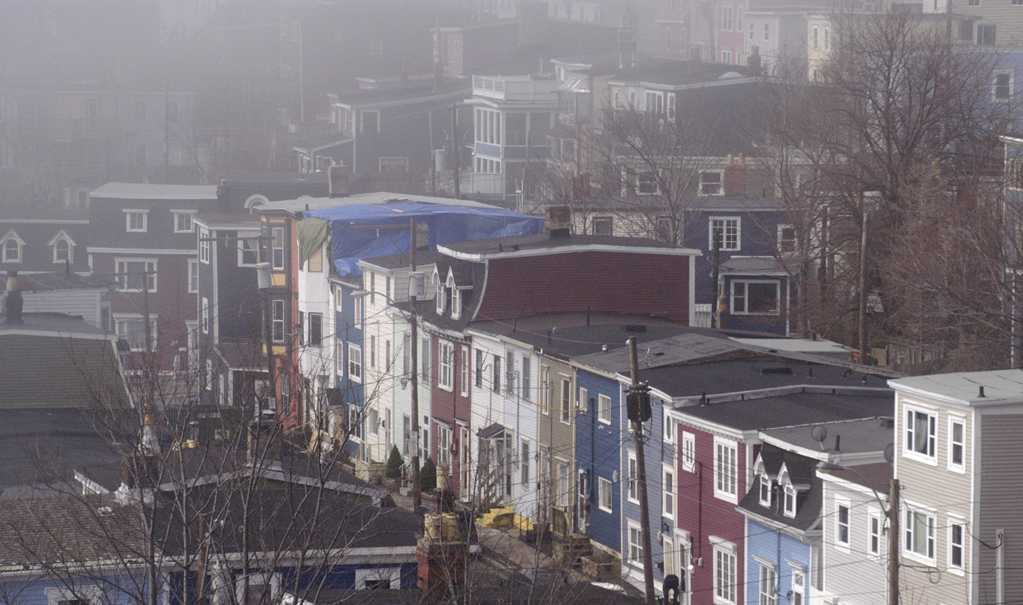
Here’s an additional hurdle: The entire province of Newfoundland, where we’re based, has a population of around 522,000 — not a large group by any means. That means networks are tight, and folks know each other. Often, we are hired for investigations in rural areas with communities of fewer than 300 people. Going unnoticed in communities like that is so specialized (and tricky) that I’ll tackle it separately in a future article.
At our firm, we map out each investigation based on the specifics of the client’s case. Each investigation employs different techniques. But they all require three essential components: the video/photographic equipment, the surveillance vehicle, and the disguise. I’ll discuss each one below.
The Camera
To capture surveillance images without being detected, you’ll need a camera that lets you shoot footage from a significant distance from the subject. That requires a high-end camera that can be easily switched to 4K video recording. Our firm uses a Nikon P1000 with a 3000 mm super telephoto lens and 4K video, which is capable of obtaining footage from a distance of 12 kilometers or 7 miles.
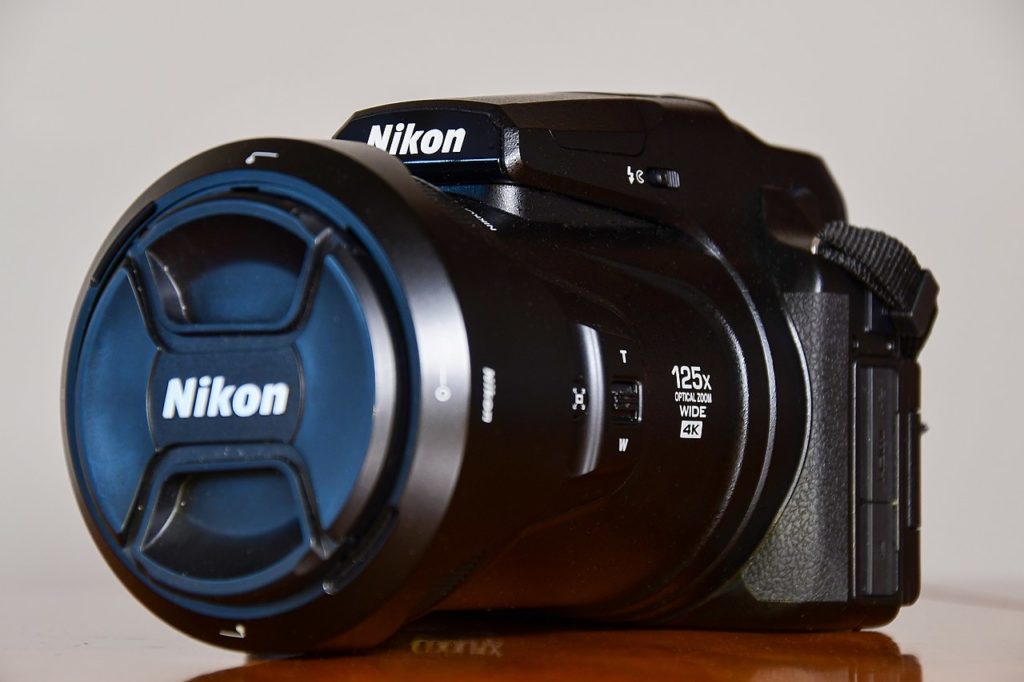
To capture video that can be used as evidence, you’ll also need a camera that’s equipped to add a date and time stamp. It’s fairly simple to add a time and date stamp to photos with the Nikon P1000. From the camera’s Menu screen, you navigate to the time and date tab and then toggle the option to add date and time stamp.
Adding a time and date stamp to a video requires a little more effort and the use of a third-party application. We currently use a paid IOS application called Time Stamp It. It’s quite user-friendly — our Nikon P1000 is wifi enabled and uses the Nikon Program SnapBridge, which easily transfers footage from our camera to an IOS device. So we find the “Time Stamp It” application ideal for us.
You’ll also need to be able to blur images of any individuals on video who are not included in the investigation. For this we use a third-party program called KineMaster, a mobile video editor you can use on PC or Mac. We opt for the paid subscription in order to access its full potential. For new users, this application will take some practice to master, but it’s an essential skill in this industry. As PIs, we have to assume that every image we capture might be used in litigation, so blurring images lets us adhere to privacy laws at all times.
Investigation agencies that deploy subpar equipment not only increase their chances of detection, they also potentially compromise the value and admissibility of the evidence collected. Invest in good gear! It will pay off in court for years to come.
The Surveillance Vehicle
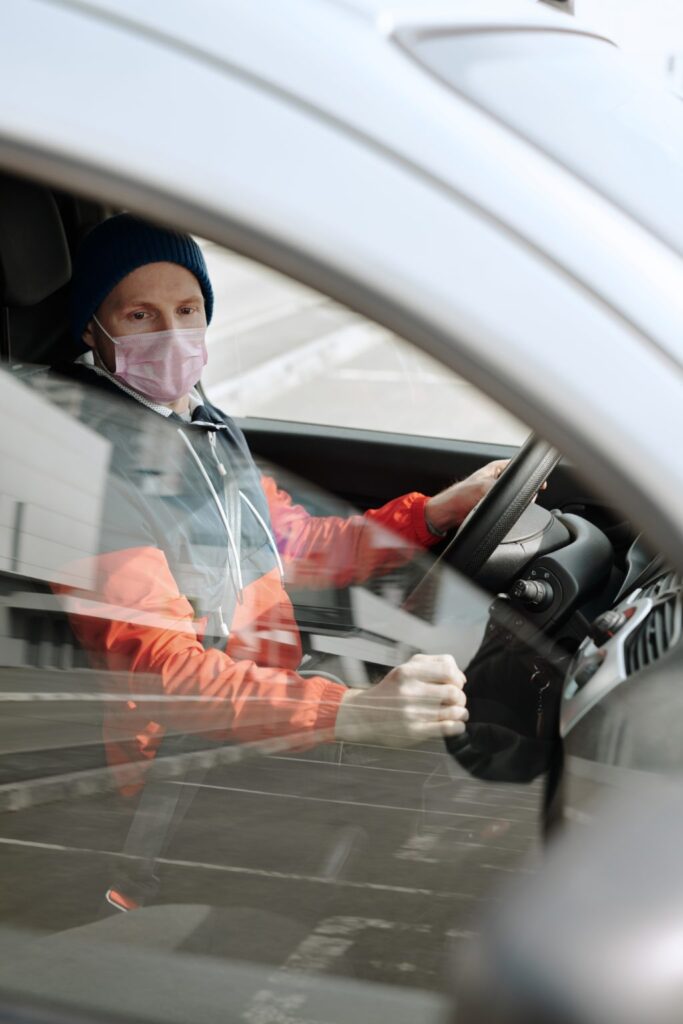 We can’t emphasize enough the need for investigators to choose the right vehicle for any given surveillance. A faded pickup disappears into a work site but stands out in an upscale residential development, where a late-model minivan would fit well into the scene.
One vehicle which fails to blends anywhere is a dark grey van with heavily tinted windows; such a vehicle arouses suspicion everywhere — it’s a movie trope that practically screams undercover police or potential kidnapper. The high price of choosing a vehicle this absurdly unsuitable for surveillance can be seen in the Canadian case of Druken. v. Fewer (R.G) and Associates Inc. (This case can be reviewed in its entirety on the Canadian Legal Information Institutes website at www.canlii.org.) In October of 1994, an investigator, under contract with an insurance company, was surveilling a subject who had filed a personal injury claim. The subject’s neighbor warned her that a man in a grey van with heavily tinted windows was following her and shooting video of her activities. Alarmed, she raced through traffic, and the van pursued her, then sped off when the subject’s father approached to confront the driver.
The subject sued the PI agency for violation of privacy — and lost. The investigator didn’t break the law or violate the subject’s privacy. But all that trouble could have been avoided by, I don’t know, driving a normal car, and maybe not continuing to chase down an alarmed female subject after being burned.
When conducting surveillance — such as, in this case, for an insurance company — the goal is invisibility, not intimidation.
At our firm, we “disguise” our vehicles using a collection of door magnets that advertise fictitious businesses. We go one step further and actually create a functional website with an active telephone number and email address, in case someone decides to fact-check our vehicle.
Two things to remember when using the door magnet scheme:
1. Never use the name of an actual business. This may have legal consequences.
2. The service should be appropriate to the time and place. For example, we would advise against using a fake lawn care business in January.
Our investigators sometimes use their own vehicles. But more often, we rent vehicles for surveillance, as this prevents our investigators from being identified in future investigations. If an investigation requires several vehicles and investigators, we might have investigators in their own vehicles conducting passive surveillance (where several vehicles tag in and out on mobile surveillance, so as to not raise the suspicion of the driver being tailed).
Our favorite type of surveillance vehicle is any common model of truck, car, or van that looks generic enough to be transformed into a corporate vehicle once magnets are attached. Our philosophy is to hide in plain sight.
The Disguise
The last thing an investigator needs is to be recognized — or worse, to have their photograph posted on social media sites. This jeopardizes the investigation at hand and, in smaller communities especially, can put future investigations at risk.
The good news is that, with a little extra effort, it’s easy to go unnoticed. The past year’s mask mandates have made it easy to stay incognito and blend into the crowd. But even before the pandemic, we stockpiled simple props and disguises that allowed our operatives to appear multiple times at the same place without being noticed. In some situations, fake uniforms (to match the door magnets of those fictitious businesses) work well. But when our investigators need to change their appearances on the go, they can pick from a go-bag kit of handy props like non-prescription eyeglasses, wigs, caps, sunglasses, and a change of jackets. Some have even dyed their hair for longer surveillance jobs.
The pen camera is our favorite tool for getting covert images while “blending in.” The model we use is the ISPY Pen Pro (2021 Edition). This device captures exceptional video quality and is virtually indistinguishable from a regular pen. We have used this device in situations where we have been unable to occupy a good vantage point for our long-range camera because of objects or buildings blocking our line of sight.
The pen camera is a small undetectable piece of surveillance equipment that can be carried by an investigator at all times and activated with the touch of a button.
To some, all this trouble may seem over the top. But surveillance is our firm’s bread and butter, so we go the extra mile in planning and execution.
The Bonus Fourth Component
That extra mile sometimes makes all the difference. In one case, three full days of surveillance on a case of suspected insurance fraud turned up nothing. The subject, who claimed to be bedridden, did not leave the house. We decided to stick with the surveillance for a few more hours (at no extra cost) before catching our plane, and bingo! The bedridden subject went shopping. Had we ended our surveillance on time, the client would have come away with no evidence. Our extra effort — a small gamble, ultimately — solidified our relationship with this new client and paid dividends down the road.
That extra mile is the bonus fourth component to any successful surveillance.
About the author:
Rod Thompson is president of Metro Surveillance and Investigations, based in St. John’s, Newfoundland, Canada. Rod is a licensed private investigator and holds a Bachelor’s Degree in Police Studies and a Certificate of Criminology from Memorial University of Newfoundland. You can learn more about Rod and his company by visiting www.metroinvestigations.ca