

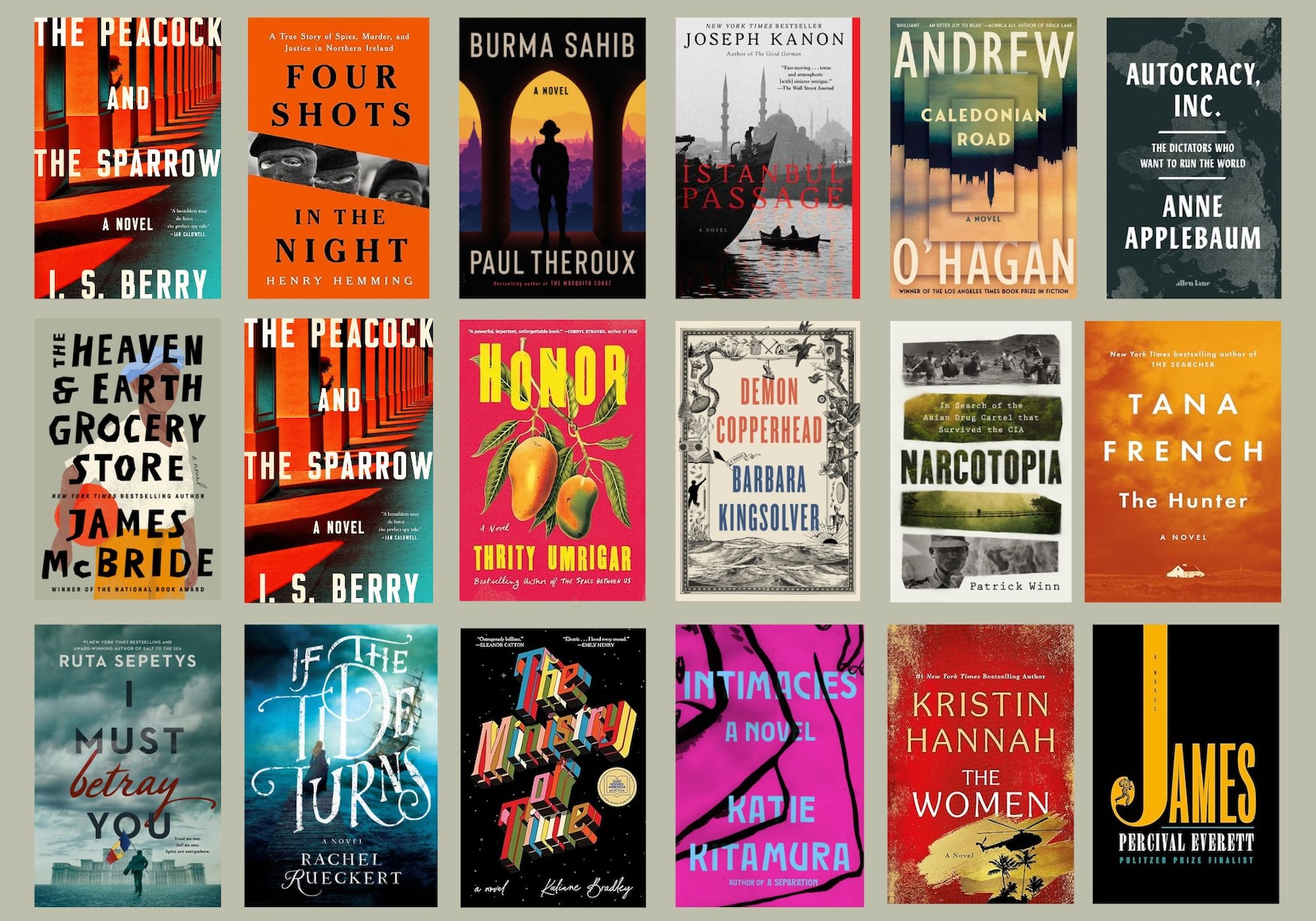

Pursuit‘s managing editor shares her favorite spy- and crime-adjacent books, shows, and movies from this year.
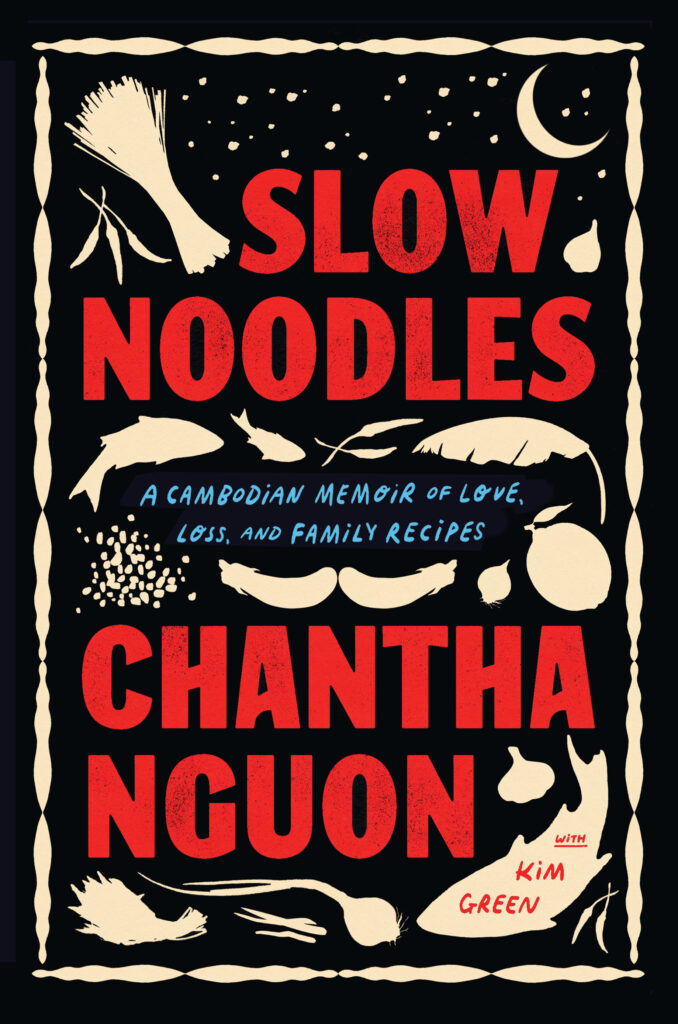
This year, I dove back into books after neglecting my reading life for most of 2023 — a year of intense work on a book I wrote with my friend Chantha Nguon. In February we launched Slow Noodles, Chantha’s memoir of surviving war and revolution, becoming a refugee, and returning home to devastated Cambodia, all the while reclaiming her history by resurrecting lost family recipes. It’s not a work of crime nonfiction, exactly, although at its heart is an unspeakable crime: genocide.
Slow Noodles was a labor of love that took us 12 years to finish, and the project opened my eyes to how incredibly hard it is to write and publish a book. We never expected to find a publisher, much less get some nice reviews and accolades. All this has fortified my respect for authors and renewed my love of reading their work.
Here are a few favorites of this year. Most of the ones I’ve focused on here are crime-related, although I’ll admit that I’ve defined that pretty loosely.
Books
Nonfiction
The Ethics of Espionage
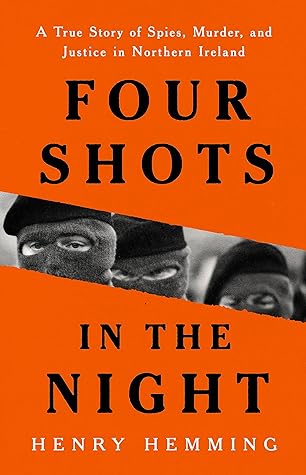
I read Say Nothing in 2020 and have been obsessed with stories about The Troubles ever since. So I devoured Four Shots in the Night: A True Story of Spies, Murder, and Justice in Northern Ireland, by Henry Hemming. In the opening pages, a British spy is found dead by a desolate country lane — murdered by the IRA. Decades later, his killing sets in motion the largest murder investigation ever in Britain and provokes painful national soul-searching about what spies should be allowed to do while serving their countries. It’s gripping NF that reads like a murder mystery and an espionage thriller all in one. We interviewed Henry for the podcast — watch that interview here.
Cons, Cults, and Catfishing
I cannot get enough stories about cons and cults, so I picked up Cultish: The Language of Fanatacism, by linguist Amanda Montell, whose father was raised in a violent drug-rehab cult called Synanon. Montell explores how cult leaders use language to lure in followers, create an insider-y bubble of belonging, and enable coercion and abuse. As a word nerd, I found this fascinating.
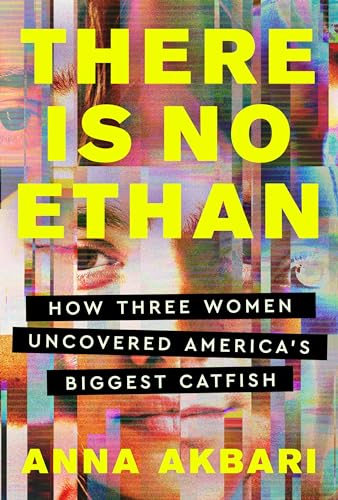
At their best, these types of stories try to answer the question we all ask ourselves: Could I be conned? (If you think you couldn’t, consider the powerful people hoodwinked by Elizabeth Holmes of Theranos — and read Bad Blood.) But the psychology of the conmen themselves often remains a mystery. That’s definitely the case in There Is No Ethan, Anna Akbari’s stunning memoir about her own and others’ experiences with a catfisher who goes to unbelievable lengths to manipulate them, to no obvious end. Akbari and the other victims are shocked when they discover the catfisher’s identity, and you will be, too. But don’t expect a satisfying answer to why someone would go to so much effort to deceive and humiliate people. Hint: It’s not for money or sex, which leaves the awful realization that some folks are cruel just for the thrill of it, and they look exactly like the rest of us.
Outlaw States
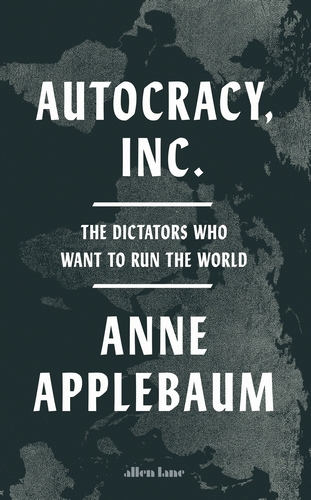
I read Autocracy, Inc., by Anne Applebaum, with fascination and growing dread. Applebaum is a journalist and historian who’s written extensively about Soviet history and the resurgence of authoritarianism worldwide. In this slim volume (just 180 pages), she explains how the global economy helps modern autocrats consolidate power: she connects the dots between kleptocratic dictators and international crime syndicates who help them launder stolen billions and hide their fortunes in shell companies and offshore accounts; secretive media empires that spread anti-democratic propaganda worldwide; and surveillance tech that helps autocrats control dissidents even outside their own borders. In modern autocracies, she writes, ideology is out, and raw power is in. It’s a sobering read, but she ends with hope and a call to action.
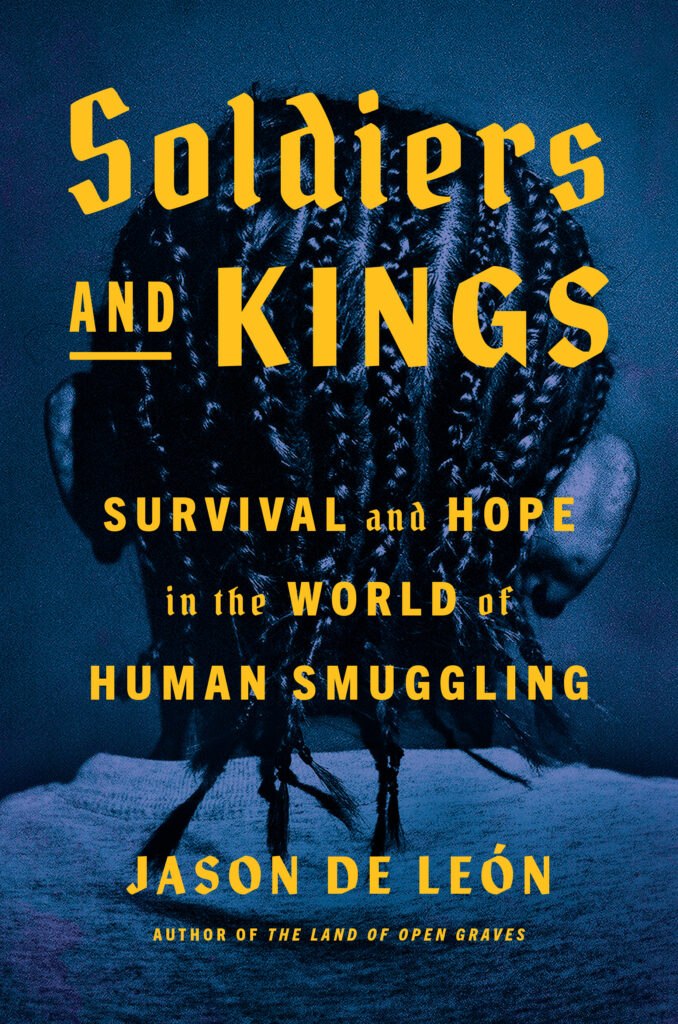
I was enthralled by two NF works by authors who embedded with smugglers in dangerous places, at great risk to themselves: While researching Narcotopia, Patrick Wynn headed to the mountainous north of Myanmar, where the indigenous Wa people have created a semi-autonomous narco-state. And for Soldiers and Kings, the 2024 National Book Award winner for nonfiction, anthropologist Jason De León spent years getting to know the guías who move migrants from Central America across the U.S. border.
The approaches of both books reminded me of mitigation investigations: with deep empathy, these authors describe the desperate circumstances that push people in violent, destitute places toward outlaw lives. These are also stories that highlight the catastrophic unintended consequences of Cold War intelligence operations (in Myanmar) and border enforcement (in Mexico and Central America). And like the best mitigation investigators, these authors withhold judgement and listen closely, telling a nuanced story about the narrowed choices people face in chaotic societies and failed states.
Master Slave Husband Wife, by Ilyon Woo, tells the story of a couple’s daring escape from slavery in Georgia in 1848. The wife — pale-skinned enough to pass for white — disguised herself as a disabled male planter traveling with her manservant, who was actually her husband. But the Fugitive Slave Law of 1850 meant that making it north of the Mason-Dixon Line was no guarantee of their safety — a stark reminder that what’s legal isn’t always what’s right.
Fiction
Detectives, Spies, and Imperial Policemen:
The Hunter is the latest stand-alone by Tana French, one of my all-time favorite crime novelists. I’ve torn through her entire Dublin Murder Squad series and will read anything French writes. The Hunter is a sequel to The Searcher; both are gently-paced stories about a Cal Hooper, a Chicago ex-cop who seeks a quiet retirement in a tiny Irish village. Instead of quietude, Cal gets hit with impossible moral choices when fraud and murder threaten his adopted town and a vulnerable teen girl for whom he feels a fatherly protectiveness.
I.S. Berry’s debut spy thriller, The Peacock and the Sparrow, got raves and won lots of awards. She’s a former CIA operations officer who understands not just spycraft, but the everyday B.S. of any workplace, even one made out of spies. She also knows Bahrain, and her depiction of the place post Arab Spring is detailed and immersive. Like the best spy novelists, Berry shows us the ethical gray areas of espionage and the ways that a life of deception and betrayal can become soul-destroying.
I’m glad to have finally discovered Joseph Kanon, a masterful author of espionage thrillers mostly set in the years immediately after WWII. Istanbul Passage, an atmospheric noir story in postwar Istanbul, reminded me of my favorites by Alan Furst and made me want to book a ticket to Turkey immediately.
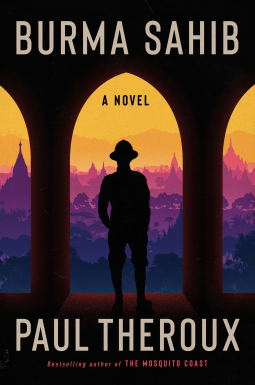
I’m an avid Orwell reader, so I loved Burma Sahib, Paul Theroux’s fictionalized account of Eric Blair’s formative years as an imperial policeman in Burma. If you’ve read Orwell’s novel, Burmese Days, or his essays, “A Hanging” or “Shooting an Elephant,” this will be familiar territory, with imagined details filled in by a masterful novelist. As a policeman in Burma, the young Blair investigates murders and assaults and interviews witnesses; but as a representative of an empire, he’s also responsible for repressing dissident monks and enforcing a racist caste system — duties that fill him with guilt and disgust. This is a key moment of Blair’s transformation into the man who would write two of the greatest cautionary tales about authoritarianism in English-language literature. It’s telling that his own complicity in a repressive regime was a catalyst to his awakening as the “wintry conscience of a generation” who saw authoritarianism for what it was, no matter where it landed on the ideological spectrum.
I enjoyed the most recent novel by my friend and fellow Nashvillian, Ruta Sepetys, who writes excellent YA historical fiction. In I Must Betray You, it’s 1989 in Ceaușescu’s Romania, and the teenage protagonist is under immense pressure by the secret police to become an informant. I admire Sepetys’s work; she does her homework, and it shows.
More Crime-Adjacent Novels, Loosely Defined:
Honor, by Thrity Umrigar — An Indian-American journalist returns to India to investigate a horrific act of mob violence against a Hindu woman and her Muslim husband. It’s a heart-wrenching story about the stark social divisions that can lead people to dehumanize the “other” — and to acts of extreme brutality.
Intimacies, by Katie Kitamura — A translator tasked with interpreting for a war criminal at an international tribunal is unsettled by the warlord’s gift for manipulating people — and the truth itself.
The Heaven and Earth Grocery Store, by James McBride — The NYTimes calls it “a murder mystery locked inside a Great American Novel,” and I can’t say it better than that. This story opened an unknown world to me, and at its heart, it’s about community.
Beartown, by Fredrik Backman — When a crime tears apart a rural town that lives and breathes hockey, the community has to decide what it values most, and whom to believe.
Creation Lake, by Rachel Kushner — I’m still working my way through this chilly tale of a female undercover operative-for-hire who infiltrates a radical community in rural France. She’s not just unlikeable; she’s unknowable, even to herself. As in so many spy tales, the greatest peril of all, it seems, is that in playing a role to deceive others, you lose yourself.
Other Books I Enjoyed This Year:
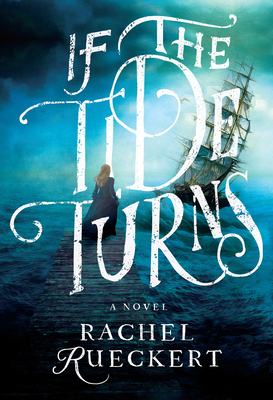
If the Tide Turns, by Rachel Rueckert — I loved my dear friend Rachel’s debut novel about a woman accused of witchcraft in 18th-century Massachusetts and the pirate who loves her. It’s a story about the impossibility of real freedom for women in that era, and about the allure of taking to the outlaw seas — a version of freedom that comes with huge risks.
Demon Copperhead, by Barbara Kingsolver — It’s not a crime novel, but there’s a massive crime at its core: the opioid crisis. Read this book in parallel with Patrick Radden Keefe’s Empire of Pain for a deeper understanding of how this crisis was born and the devastation it has wrought in places like Appalachia, where this novel is set.
James, by Percival Everett — A masterful retelling of Adventures of Huckleberry Finn that centers the perspective of Jim James. Put aside your worry: this book doesn’t try to discredit the original; it enriches it. Dwight Garner, in the NYTimes, calls James “a tangled and subversive homage, a labor of rough love.” I felt the same way.
The Narrow Road to the Deep North, by Richard Flanagan — An astonishing work about an Australian doctor who becomes a POW and a reluctant war hero in a Japanese camp during the construction of the Burma Railway. Brilliant and devastating, this won the 2014 Booker Prize.
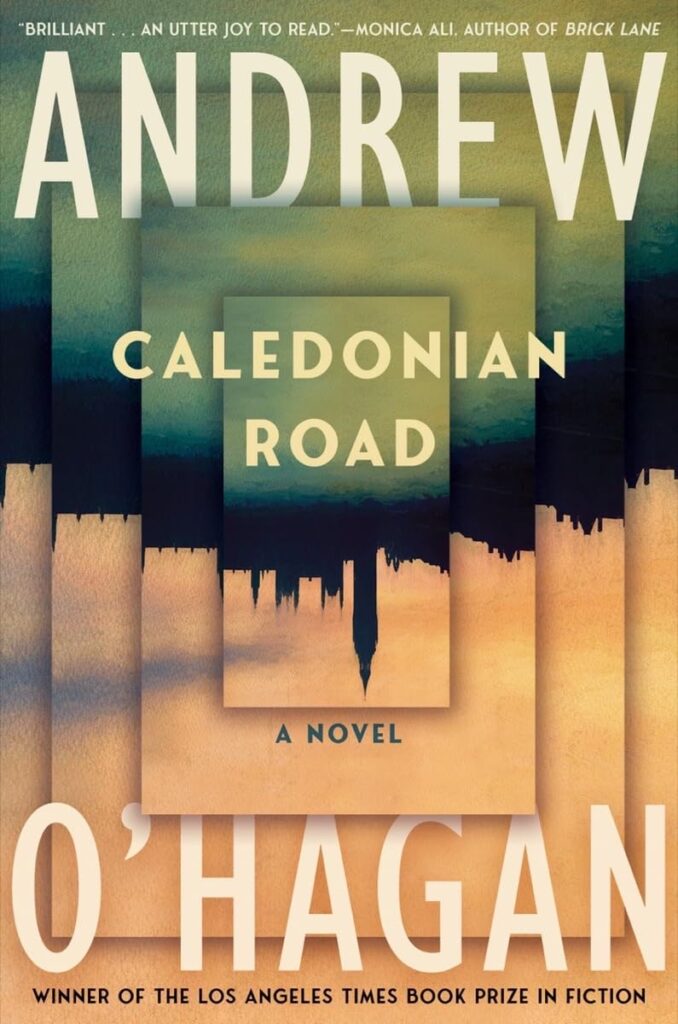
Caledonian Road, by Andrew O’Hagan — The Guardian called this novel a “state-of-the-nation burlesque” with “the bling of an airport bestseller” and “an insider’s grasp on high culture.” That sounds right. O’Hagan is a Scottish working-class kid-turned-London literary star who’s known equally for heavy-hitting journalism and fiction. For this sprawling tale of London’s many social strata, he spent time in communities he portrays, from trafficked laborers and street kids to Russian oligarchs and the powerful peers they’ve corrupted. The perfect read for your flight to Heathrow.
Martyr!, by Kaveh Akbar; Kairos, by Jenny Erpenbeck; Emperor of Rome, by Mary Beard; The Girls, by Emma Cline; Trust, by Hernan Diaz; Now Is Not the Time to Panic, by Kevin Wilson; The Women, by Kristin Hannah; Small Things Like These, by Claire Keegan; Time of the Child, by Niall Williams; Mayflies, by Andrew O’Hagan; Bear, by Julia Phillips; Babel, by R.F. Kuang; The Ministry of Time, by Kaliane Bradley; When We Cease to Understand the World, by Benjamín Labatut; The Bright Sword, by Lev Grossman
TV & Film
“Slow Horses” is my favorite current TV series, with no near competitors. Adapted from Mick Herron’s excellent “Slough House” spy series, it stars Gary Oldman as the drunken, profane, and flatulent Jackson Lamb — the boss of Slough House, a dismal backwater where failed British spies go to live out their ruined careers in quiet shame. In every season, Lamb at some point transforms from caustic and apathetic inebriate to veteran spymaster fully capable of outsmarting the MI5 chiefs who dismiss him at their peril. Season four, based on Spook Street, came out this fall, and it’s another banger.
“Say Nothing,” a TV adaptation of Patrick Radden-Keefe’s book by the same name, is now streaming on Hulu. Like the book, the show is about The Troubles, told from multiple points of view: a single mother who’s executed by the IRA and the agonized children orphaned by her killing; two sisters from an IRA family who become terrorists out of a blithe sense of adventure, and their associates (and victims). Obviously, a TV series can’t cover the same ground as a 500-page work of NF journalism, but the show is excellent nonetheless.
“Blue Lights,” a police procedural set in Northern Ireland after The Troubles, has been billed as “The Wire” in Belfast. Although I consider “The Wire” untouchable, I will offer tentative agreement with the comparison: both are offer a “clear-eyed, humane view of policing as an impossible job,” as The Guardian puts it, in an atmosphere of government corruption and widespread violence. Both seasons are excellent.
This year’s Peacock series, “The Day of the Jackal,” is adapted from Frederick Forsyth’s novel by the same name, and there’ve been two film adaptations, one of which is very good. In this newest iteration, Eddie Redmayne is (to me) the best Jackal yet. His boyish grin makes you momentarily forget that he’s an assassin with ice in his veins, and ultimately, unknowable. His cat-and-mouse chases with a female MI6 officer are thrilling to watch, but good luck to you if you expect any kind of redemption arc.
Close your eyes and imagine any Carl Hiassen novel as a TV show: “Bad Monkey” is what plays on the backs of your eyelids. It has no pretensions of depth or grandeur, but it’ll make you smile all the same. Mix yourself a fruity umbrella drink and dive in.
If you were disappointed by “Hit Man,” I mean, what did you expect? I liked the approach: like most real killers for hire I’ve ever heard of, he’s just pretending to be one for a police sting (buyer beware). The fun comes in when the act starts to get real. Nothing serious here, but it’s frothy entertainment for a cold night.
What did I miss? This year, I didn’t see many spy or crime films, nor did I listen to any great crime podcasts. Please add your recs in the comments