

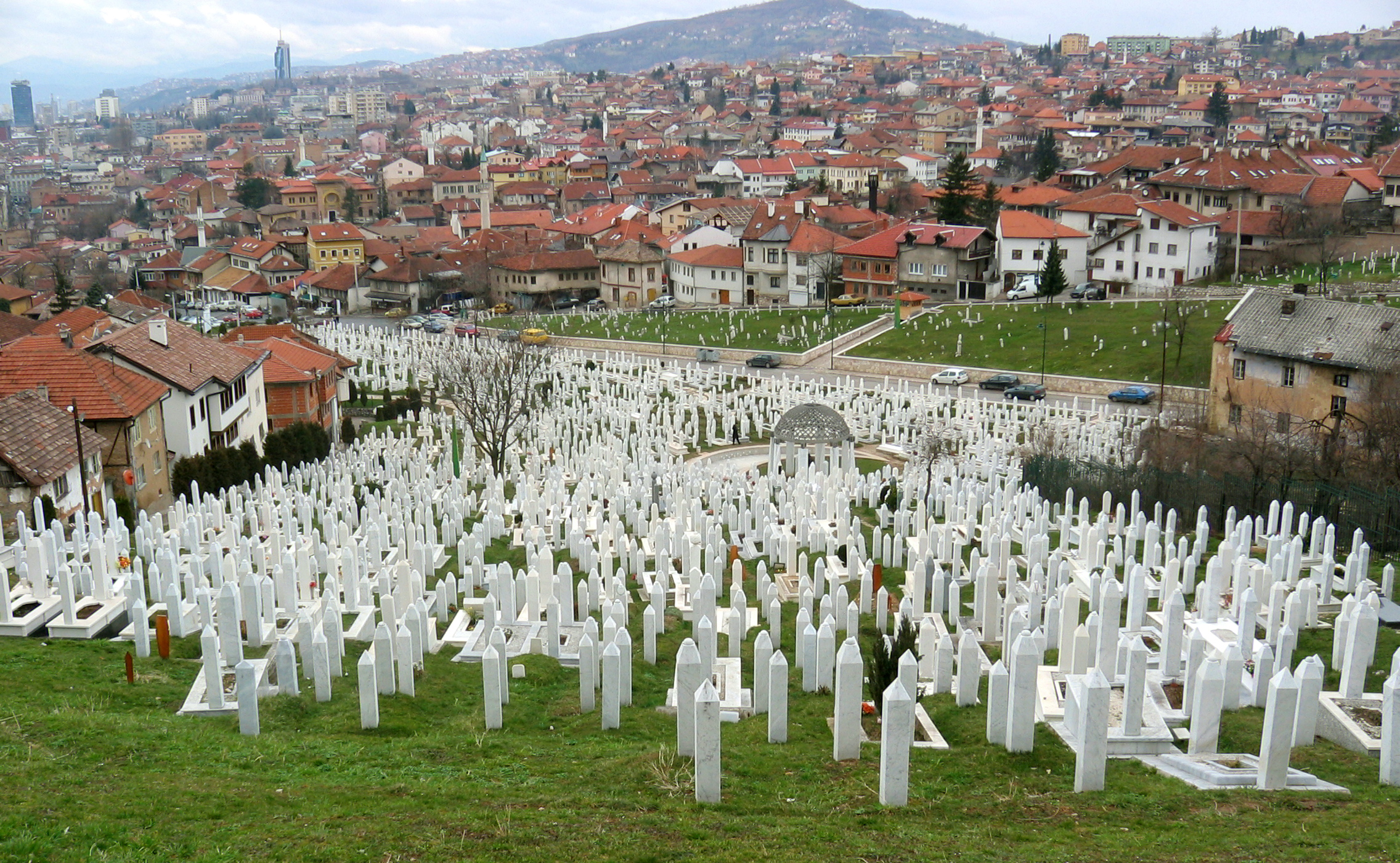

Tradecraft Tips: A former FBI agent and private investigator shares a behind-the-scenes look at war crime investigations for the UN.
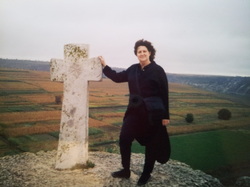
“Do the work. Do it fast. Get it done,” says Maria Velikonja, an attorney, private investigator, and former FBI agent who investigated for the International Criminal Tribunal in the former Yugoslavia during the war in Bosnia and Croatia in the 1990s.
In the wake of a genocide or atrocity, you’ll be under immense pressure from the international community to deliver results fast. Not only will you travel through war-torn areas to gather evidence for the court, but you’ll also have to abide by strict bureaucratic and documentation protocols — to ensure you are doing everything legally and properly. That means extremely long workdays for months at a time. “I was working 100-hour weeks,” Velikonja says. “I worked a lot because I saw it was needed.”
The work begins long before you step foot in country. Gather all the information you can ahead of time. Before Velikonja arrived in the Balkans, she stayed up late many nights studying the culture, the language, and the countries involved in the war. “If you want [the witnesses’] respect, you had better already know their history,” says Velikonja. Don’t waste valuable time and resources on site by asking basic questions. “I read a hundred books on Yugoslavia in the war before I went to the Tribunal,” she says. “That made a huge difference in my work.”
Be independent. Think outside the box. The events you’re investigating — and your investigative strategy — may have no known precedent. You and your investigative team will have to create systems, such as for evidence management or interview collection, to keep the investigation organized and ensure the evidence you collect can be used in court. You may also be working against a lack of funds or resources. When Velikonja arrived, “We had to write the process,” she says. “We had to wait for a budget that took a number of months. In the meantime, the head of investigations asked me to create a system for the evidence vault. There were no rules.” Use what you know from former jobs to adapt to new challenges. For example, Velikonja used the processes she had learned at the FBI, as well as her knowledge of other countries’ legal systems, to create new procedures for gathering evidence and documenting witness interviews.
“We don’t want just the camp commanders indicted, we want those who ordered them. We want the mayors, we want information on the generals.”
Maria Velikonja
Be open to change. Because you are working in dangerous areas, you must be willing to modify your plans and think on your feet — not only to finish your work, but also to stay alive. For Velikonja to get to Bosnia for her investigations, she had to find a snaking route through Croatia and various zones of separation. Your investigative credentials might not give you much power or protection. In Velikonja’s case, “We had no jurisdiction in the countries of the former Yugoslavia,” she explains. “It’s very different than doing it in your own country.” And the conditions you’ll be living and working in may be very uncomfortable indeed. Steel yourself for very basic accommodations. “I worked three winters in Bosnia with no heat. The hotel I stayed in had no fresh water,” Velikonja recalls.
The language and culture may be unfamiliar to you, presenting yet another obstacle. You may have to use a translator and teach yourself new words on the fly, because witness interviews are a large part of the evidence you’ll be collecting. These interviews also pose some of the greatest challenges of the job. There will be a lot of people to interview, and not a lot of time to do it. “There were times I would go in the middle of a war zone, and I had only one day [to interview witnesses] because we had no budget,” Velikonja says. Sometimes, she recalls, there would be up to thirty people waiting to be interviewed in that one-day timeframe.
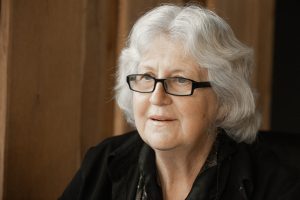
Her advice? Lots of time management, fast typing skills, and a knowledge of the language. Split up your hours so you can still get to everyone, even if only for thirty minutes per person. Witness statements may need to be written up or recorded in some way, so learn to type while you talk. Although there is often an interpreter accompanying you, knowing enough of the language helps you get through witness interviews that much quicker.
But there are greater challenges than time constraints. Your interviewees may have suffered as internees of concentration camps, witnessed horrific acts, or been victims of assault, rape, or torture. To find every scrap of evidence you can, you’ll have to ask the witnesses to relive those experiences in excruciating detail. “My first five months there, I didn’t sleep,” she says, “because of all the victims’ stories in my head.”
It’s not enough to have general information on the war crimes. You need evidence and testimony that will help tell the entire story of the conflict and will stand up in court. During her time in Bosnia and Croatia, Velikonja says, “We were proving command responsibility, we were trying to show how this war started. We don’t want just the camp commanders indicted, we want those who ordered them. We want the mayors, we want information on the generals.”
War crimes investigations can feel hopeless. They will test your skill and stamina. Velikonja acknowledges that her time in Bosnia and Croatia was tough, but focusing on what the victims had endured helped her stay on task. “It’s a lot worse for people who are there and can’t leave,” she explains. “That’s a bit of a first-world privilege to feel that this is difficult and emotional for me. It is difficult, but it’s not something I dwelled on because there are children in those war zones. Everyone has lost a family member or friend. They’ve been fighting for years.”
About the author:
Sara Datta is a writer from San Diego, CA.